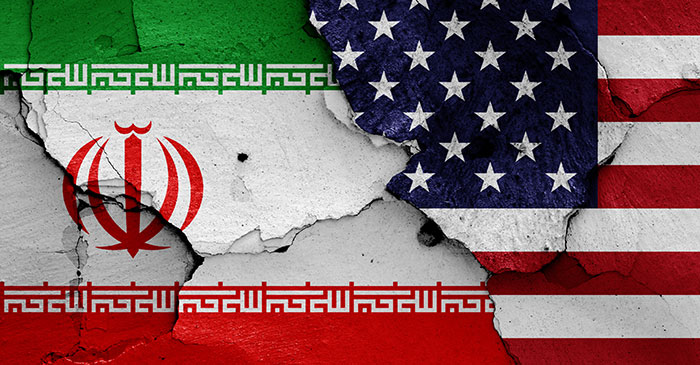
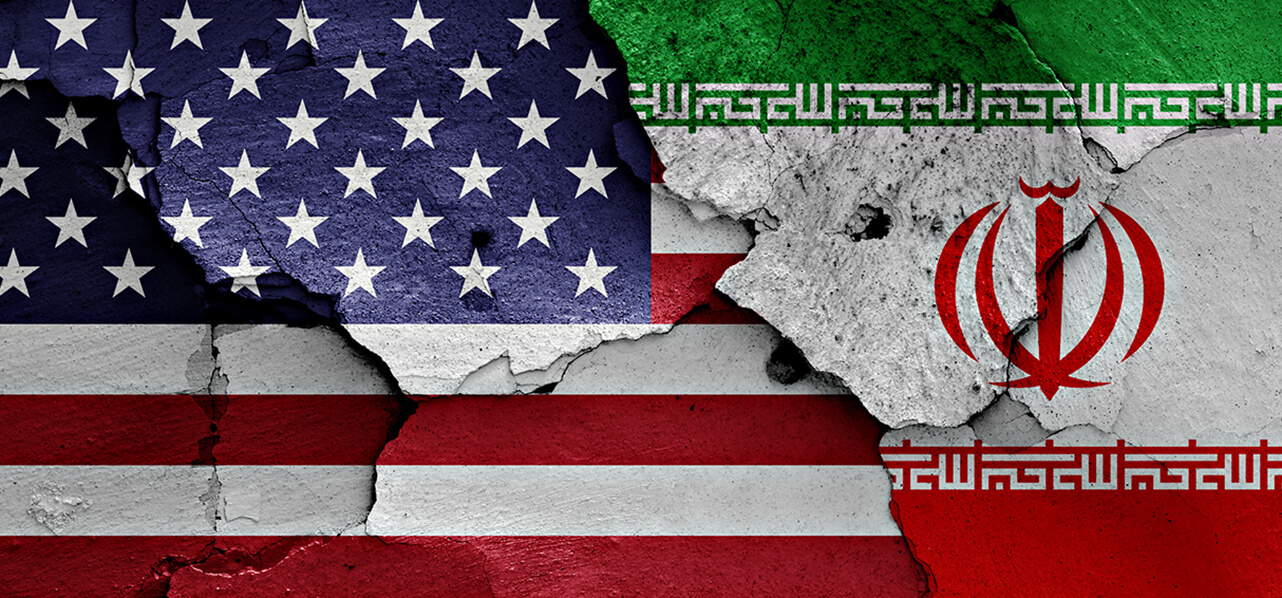
The world is feeling the economic shockwaves of one of the most severe geopolitical crises in decades. US-Iran tensions and the impact of Strait of Hormuz tensions on trade have sent oil prices surging, rattled stock markets, and pushed inflation higher across multiple continents. What began as a military conflict has quickly become a global economic emergency — and experts warn the worst may not be over.
What Is the Strait of Hormuz — and Why Does It Matter?
The Strait of Hormuz is a narrow waterway sitting between Iran and Oman. It connects the Persian Gulf to the open ocean. Every day, enormous volumes of energy pass through it.
In 2024, approximately 20 million barrels of oil moved through the Strait daily — representing roughly 27% of all global maritime oil trade. Furthermore, around 20% of the world’s liquefied natural gas (LNG) also transits the strait each year. Congress.govHouse of Commons Library
Simply put, the Strait of Hormuz is the world’s most critical energy chokepoint. When it is threatened, everyone pays.
How the Crisis Unfolded
On 28 February 2026, the United States and Israel launched a series of airstrikes against Iran. In retaliation, Iranian forces began blocking the Strait of Hormuz. Wikipedia
By 4 March, Iran officially declared the strait “closed,” threatening to attack any vessel attempting to pass through it. The consequences were immediate and severe. Wikipedia
Before the conflict, around 3,000 vessels used the strait each month. That number fell to roughly 5% of its previous level almost overnight. House of Commons Library
Moreover, the UK Maritime Trade Operations Centre reported at least 10 attacks on ships by 8 March 2026, with five crew members killed across two vessels. Congress.gov
The Impact of Strait of Hormuz Tensions on Trade and Energy Markets
Oil Prices Spike Immediately
Markets reacted fast. Brent crude oil prices surged 10–13%, reaching around $80–82 per barrel by 2 March 2026, as fears of supply chain disruption gripped global markets. Wikipedia
Oil market experts warned that average US gas prices could reach $5 a gallon if the strait remains closed for an extended period. CNN
Meanwhile, analysts from Barclays and Goldman Sachs highlighted serious risks of sustained high energy prices if the strait remains restricted over a longer term. Wikipedia
Europe Faces an Energy Emergency
The crisis hit Europe especially hard. European gas storage levels were already at just 30% capacity following a harsh winter. Dutch TTF gas benchmarks nearly doubled to over €60 per megawatt-hour by mid-March. Wikipedia
Therefore, the European Central Bank postponed its planned interest rate reductions, raised its inflation forecast for 2026, and cut its GDP growth projections. Wikipedia
Economists now warn that energy-intensive economies in Europe face a genuine risk of recession. UK inflation is expected to breach 5% in 2026 as a result of the disruption. Wikipedia
Shipping Insurance Soars
The cost of moving goods through the region has skyrocketed. By 9 March, shipping insurance rates for the strait had increased by four to six times compared to the previous week. Wikipedia
As a result, many shipping companies have simply stopped operating in the area. The global supply chain — already fragile — is under severe new pressure.
Beyond Oil: Other Commodities at Risk
The impact of Strait of Hormuz tensions on trade extends well beyond oil and gas.
The Middle East region produces close to half the world’s seaborne supply of sulfuric acid. Africa, in particular, relies on this supply to extract critical minerals used in manufacturing and clean energy technology. Congress.gov
Additionally, the strait handles large volumes of food, manufactured goods, and raw materials. Major Gulf ports like Dubai’s Jebel Ali connect Middle Eastern markets to Asia, Europe, and Africa. A prolonged blockade threatens all of these supply lines.
The Human Cost Inside Iran
The conflict has devastated Iran’s domestic economy as well.
Between March 2025 and March 2026, the price of bread and cereals rose by 140%, while oil and fat products surged by 219%. Dairy products climbed by nearly 117%. Wikipedia
Furthermore, widespread layoffs have swept Iran’s labor market, as domestic suppliers were disrupted by attacks and foreign suppliers could no longer deliver goods due to the Strait of Hormuz crisis. Wikipedia
What the US and International Community Are Doing
The United States has taken direct action to try to reopen the waterway. The US military launched “Project Freedom,” a plan to escort merchant ships safely through the Strait of Hormuz. However, independent analysts described initial results as limited. CNN
The UK and France hosted two international conferences focused on reopening the strait, resulting in a joint statement signed by 38 countries pledging support for safe passage and condemning attacks on commercial shipping. House of Commons Library
Meanwhile, OPEC+ pledged to increase oil output by 206,000 barrels per day to help offset the shortfall caused by the disruption. Wikipedia
However, diplomacy remains fragile. Iran’s Foreign Minister warned that there is “no military solution to a political crisis,” while ceasefire talks continued with Pakistan serving as a mediator. CNN
How Long Could The Strait of Hormuz tensions Last?
The duration of the crisis will determine how deep the economic damage runs.
Economists project that if the Strait of Hormuz reopens within one quarter, the impact on US headline inflation could remain between 0.16 and 0.40 percentage points. However, if the closure extends to three quarters, that range climbs significantly to between 0.85 and 1.47 percentage points. Federal Reserve Bank of Dallas
In short, time is money — and every week of disruption compounds the global economic toll.
Key Takeaways at a Glance
- The Strait of Hormuz carries 27% of global maritime oil and 20% of LNG annually
- Iran declared the strait closed on 4 March 2026, triggering immediate market chaos
- Brent crude surged 10–13% within days of the conflict escalating
- Europe faces a potential energy-driven recession with gas prices nearly doubling
- Shipping insurance rates quadrupled to sextupled within a week
- US gas prices could hit $5 per gallon if the blockade persists
- Diplomatic talks are ongoing, with Pakistan, the UK, and France leading mediation efforts
Conclusion
The US-Iran tensions and the impact of Strait of Hormuz tensions on trade represent one of the most serious economic threats the world has faced since the 1970s oil crisis. Global markets, energy supplies, food prices, and inflation are all deeply intertwined with what happens in this narrow stretch of water.
Therefore, the outcome of diplomatic negotiations in the coming weeks will not just determine regional stability — it will shape the economic reality for billions of people worldwide. Governments, businesses, and consumers alike must prepare for a prolonged period of uncertainty, rising costs, and shifting global trade patterns.
The world is watching the Strait of Hormuz. And what happens there will be felt everywhere.