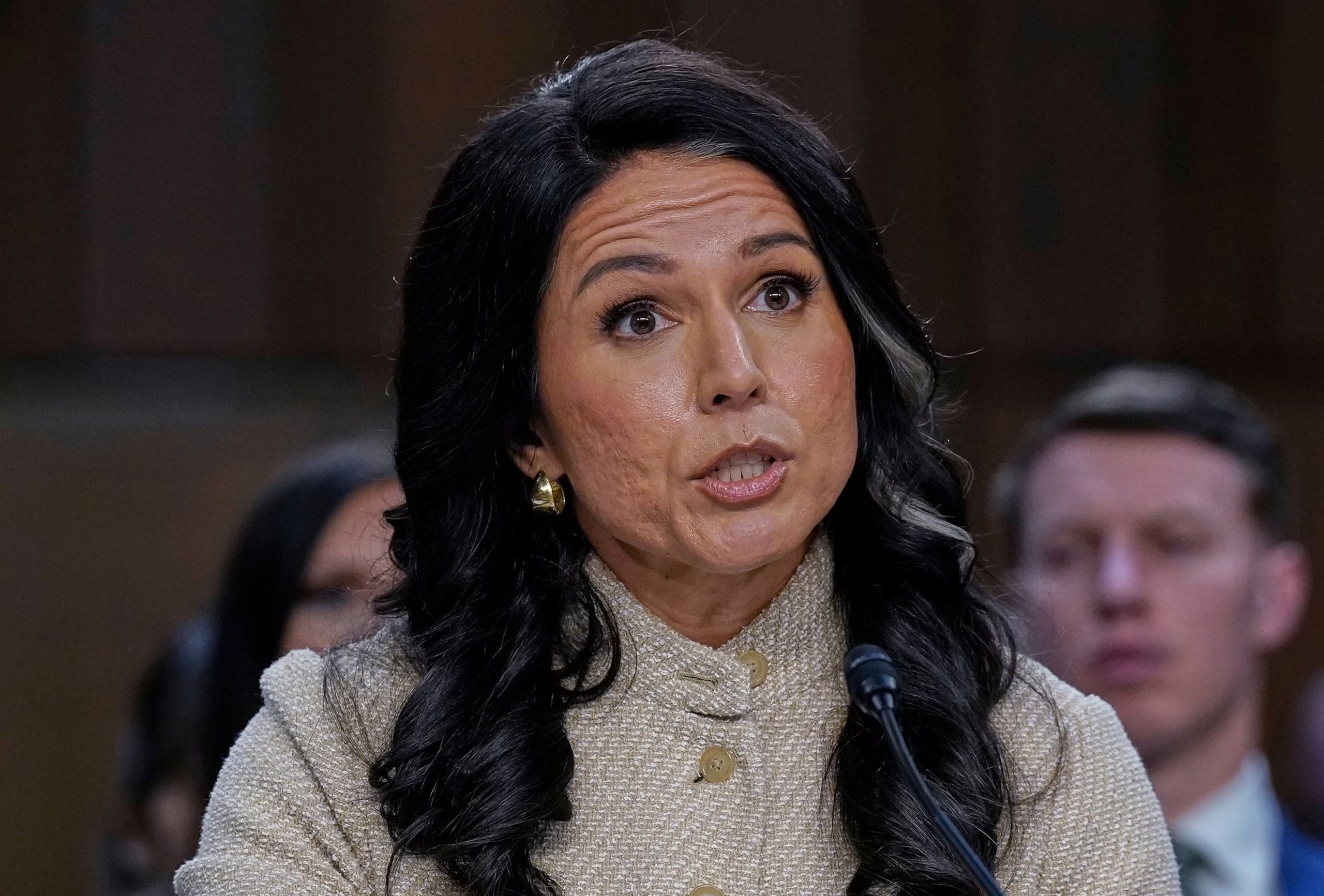
The Tulsi Gabbard resignation sent shockwaves through Washington on Friday, May 22, 2026. Gabbard announced she is stepping down as President Donald Trump’s Director of National Intelligence, citing her husband’s cancer diagnosis. Her departure marks a significant shift at the top of the U.S. intelligence community. Meanwhile, it raises new questions about leadership and stability within the Trump administration. PBS
The Resignation Letter: A Personal Decision
In her resignation letter addressed to President Trump, Gabbard wrote: “My husband, Abraham, has recently been diagnosed with an extremely rare form of bone cancer. He faces major challenges in the coming weeks and months. At this time, I must step away from public service to be by his side and fully support him through this battle.” CNN
The letter was deeply personal. Gabbard did not frame it as a political decision. Instead, she described it as a matter of family and loyalty.
She added that Abraham had been her “rock” throughout their eleven years of marriage, standing by her through a military deployment to East Africa, multiple political campaigns, and her service as DNI. CNN
Therefore, she stated she could not ask him to face the fight alone.
Trump Responds With Praise
President Trump moved quickly after receiving the letter. Trump announced on Truth Social that Aaron Lukas, the principal deputy director of national intelligence, will take over as acting director. Axios
Trump praised Gabbard warmly, saying she had done “an incredible job” and expressing confidence that her husband would recover. CNN
However, the transition raises immediate concerns. The U.S. intelligence apparatus now faces a leadership change at a sensitive moment in global affairs.
Who Is Aaron Lukas?
Aaron Lukas currently serves as the principal deputy director of national intelligence. He will step into the acting DNI role once Gabbard’s resignation takes effect on June 30. Axios
Lukas is a career intelligence professional. His appointment signals continuity rather than a dramatic policy shift. Nevertheless, his confirmation as permanent DNI would require Senate approval.
Gabbard’s Tenure: A Rocky Road
From Democrat to Trump’s Top Intelligence Chief
Gabbard’s path to the DNI role was unconventional. She served as a four-term U.S. Representative from Hawaii from 2013 to 2021 and was a member of the Democratic Party until 2022. She then became an independent before joining the Republican Party in 2024. Wikipedia
She took the oath of office on February 12, 2025, becoming the eighth Senate-confirmed DNI and the first female combat veteran to hold the role. globalsecurity
The Senate voted 52–48 to confirm her. It was a narrow margin that reflected the partisan tension surrounding her appointment. newsonair
Clashes Inside the Administration
Gabbard never fully made it into Trump’s inner circle. She clashed with CIA Director John Ratcliffe and other senior officials. During pivotal moments involving military decisions in Iran and Venezuela, Gabbard was often not in the room. NBC News
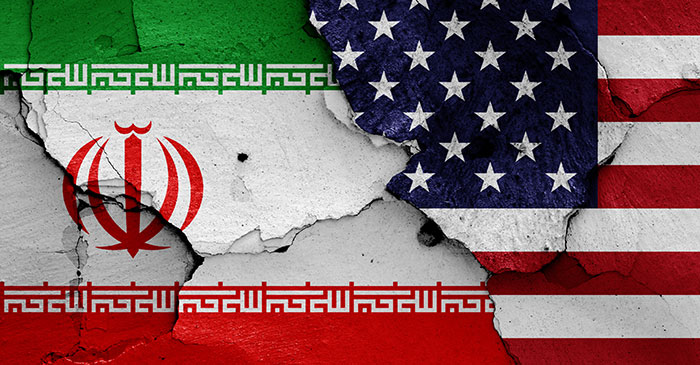
Furthermore, the Iran conflict created visible tension. Gabbard faced awkward exchanges with lawmakers who asked her opinion on the threat posed by Iran. She repeatedly deflected, saying it was not the intelligence community’s responsibility to determine what constitutes an imminent threat. PBS
Last summer, Trump publicly dismissed Gabbard’s testimony that Iran was not building a nuclear weapon and had not re-authorized its nuclear program. This created a notable rift between the president and his own top intelligence official. Axios
The Iran War and Joe Kent’s Resignation
The administration’s decision to strike Iran deepened the fault lines. Joe Kent, the director of the National Counterterrorism Center, announced his resignation in March, saying he could not in good conscience back the war against Iran, citing the absence of an imminent threat. PBS
Both Kent and Gabbard were military veterans who found common political ground. Gabbard looked visibly uncomfortable fielding questions at congressional intelligence hearings following Kent’s departure. NBC News
Meanwhile, pressure on Gabbard continued to mount from multiple directions.
The Fourth Cabinet Departure Under Trump
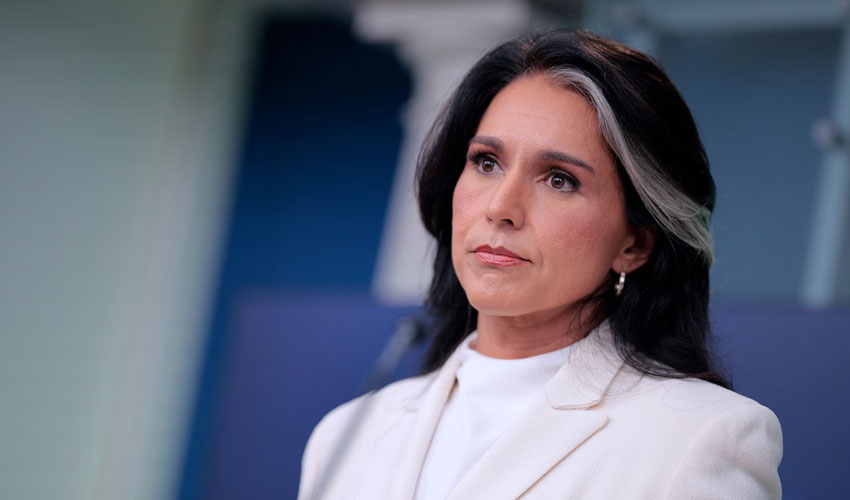
Gabbard is the fourth Cabinet official to depart during Trump’s second term. PBS
Former Homeland Security Secretary Kristi Noem and former Attorney General Pam Bondi were both fired from their posts. Former Labor Secretary Lori Chavez-DeRemer resigned amid an investigation into potential misconduct. Axios
Therefore, Gabbard’s exit adds to a pattern of instability at the Cabinet level. However, her case differs from the others. She was not fired. She chose to leave — on her own terms and for deeply personal reasons.
Notably, all four Cabinet departures this term have been women. NBC News
What Happens Next at the ODNI?
The Office of the Director of National Intelligence oversees all 18 U.S. intelligence agencies. It coordinates intelligence sharing across the CIA, NSA, DIA, and other bodies. Therefore, stable leadership at the DNI level is critical.
With Aaron Lukas stepping in as acting director, analysts expect day-to-day operations to continue without disruption. However, a permanent replacement will need Senate confirmation, which could take months.
The timing is also significant. The U.S. remains militarily engaged following the Iran strikes. Intelligence leadership transitions during active conflict carry added risk and scrutiny.
Reaction From Washington
Reaction across Washington ranged from sympathy to concern. Many lawmakers from both parties expressed compassion for Gabbard and her husband. At the same time, national security experts raised questions about the leadership vacuum at a critical time.
Some observers noted that Gabbard’s departure removes one of the few remaining voices in the administration who had publicly pushed back — however carefully — against aspects of the Iran war narrative.
A Legacy Defined by Tension
Gabbard’s tenure lasted just over 16 months. During that time, she navigated extraordinary political pressure. She served in a role that required her to walk a fine line between loyalty to the president and adherence to intelligence findings.
Her willingness to state, under oath, that Iran had not re-authorized its nuclear program — even when Trump disagreed — showed a degree of independence. Nevertheless, that independence also kept her on the margins of key decisions.
She leaves the role not in disgrace, but under deeply human circumstances. Her husband’s illness brought an abrupt but dignified end to a turbulent chapter in U.S. intelligence history.
Conclusion
The Tulsi Gabbard resignation closes a chapter marked by political tension, personal conviction, and institutional friction. Her resignation takes effect on June 30, 2026. Until then, she remains the nation’s top intelligence official. CNN
Her decision to step down to support her husband speaks to the personal cost of public service. Meanwhile, Washington must now focus on who will permanently lead the intelligence community in an increasingly dangerous world.
The coming weeks will reveal whether the Trump administration can fill the leadership gap quickly — and whether the next DNI will face the same tensions that ultimately defined Gabbard’s time in office.
Follow our politics and national security section for the latest updates on the acting DNI, Cabinet changes, and U.S. intelligence leadership.