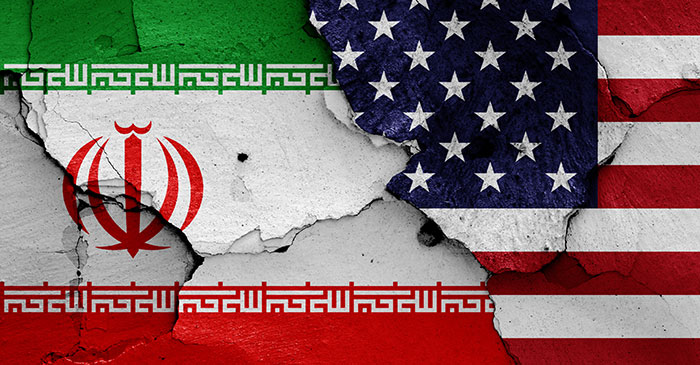
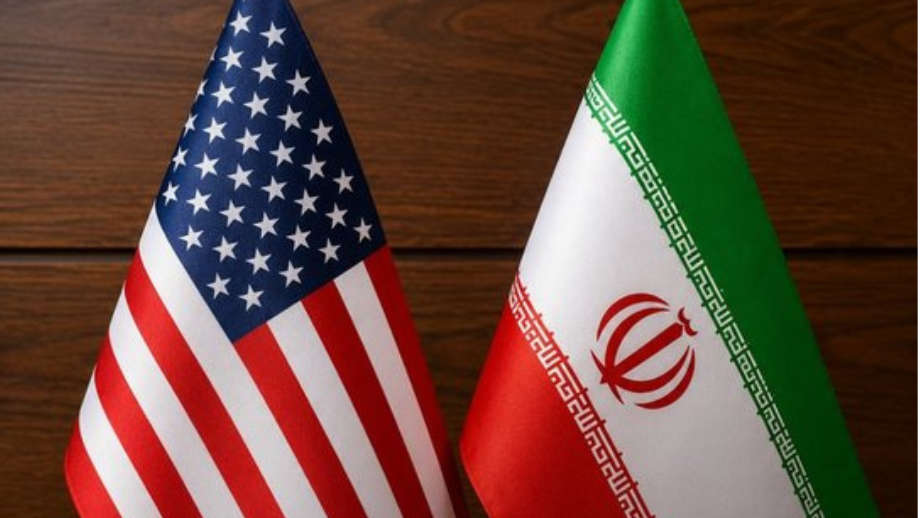
The world just exhaled. A landmark agreement has ended one of the most intense conflicts in recent memory.
The US Iran peace deal was announced on Sunday, June 14, 2026 ending 107 days of devastating warfare between the United States, Israel, and Iran. President Donald Trump confirmed the agreement on Truth Social, declaring the deal “complete.” The formal signing ceremony is set for Friday, June 19, in Geneva, Switzerland. This breakthrough marks a historic turning point for the Middle East and for global energy markets.
How the War Began
To understand the peace deal, it helps to understand what started the war.
On February 28, 2026, U.S. and Israeli forces launched nearly 900 strikes in 12 hours targeting Iranian missiles, air defenses, military infrastructure, and leadership. The operation, codenamed Operation Epic Fury, killed Supreme Leader Ali Khamenei in the initial wave of strikes. globalsecurityAl Jazeera
Iran responded swiftly and forcefully. Hundreds of retaliatory missiles and thousands of drones were launched from Iran across the region, causing enormous damage, thousands of deaths in Iran and Lebanon, and the displacement of millions including more than one-sixth of Lebanon’s population. globalsecurity
The conflict quickly created global consequences. By mid-March, Iran threatened and partially restricted shipping through the Strait of Hormuz, causing global oil prices to rise sharply amid fears of supply disruptions. Factually
The Road to a Peace Deal
Early Ceasefire Attempts
The road to peace was long and fragile. After 40 days of sustained combat, a ceasefire took effect on April 8, 2026, marking the end of the major joint campaign aimed at degrading Iran’s military capabilities. However, hostilities continued in other forms, particularly in Lebanon. House of Commons Library
Pakistan and Qatar Step In
Two key mediators drove the breakthrough. Pakistan served as a central mediator between the two countries throughout the negotiations. Meanwhile, Qatar’s Prime Minister Mohammed bin Abdulrahman bin Jassim al-Thani emerged throughout the war as a skilled mediator and diplomat. WikipediaWikipedia
Their efforts paid off on June 14. Pakistani Prime Minister Shehbaz Sharif announced the deal on X, saying both sides declared the immediate and permanent termination of military operations on all fronts, including in Lebanon. Wikipedia
What the US Iran Peace Deal Actually Says
Strait of Hormuz Reopens
One of the biggest wins is the reopening of a critical global waterway. The agreement is designed to restore shipping through the Strait of Hormuz, which before the war handled about 20% of global oil and liquefied natural gas. FeedSpot
Trump confirmed that toll-free shipping through the Strait of Hormuz would now begin, while Iran’s deputy Foreign Minister Kazem Gharibabadi confirmed the agreement would immediately end hostilities between Iran and the US. yahoo
Trump announced the move dramatically on Truth Social, writing: “I hereby fully authorize the toll free opening of the Strait of Hormuz, and simultaneously authorize the immediate removal of the United States Naval blockade. Ships of the World, start your engines. Let the oil flow!” yahoo
Key Terms of the Agreement
Here is what both sides agreed to:
- Immediate halt to military operations on all fronts, including in Lebanon Detective Store
- Complete lifting of the naval blockade within 30 days Desire Marketing
- $25 billion in frozen Iranian assets to be released by the United States Detective Store
- Iran agrees not to produce or acquire nuclear weapons, and commits to maintaining the nuclear status quo – including no uranium enrichment expansion — until a final deal is reached Detective Store
- A 60-day ceasefire extension to allow time for nuclear negotiations to continue FeedSpot
- Formal signing in Geneva, Switzerland on June 19, 2026
What Remains Unresolved
However, the deal is not a complete resolution. The memorandum of understanding buys time for negotiations over unresolved nuclear questions. Fully reopening the strait may not happen immediately – mine-clearing, repairing infrastructure, and guaranteeing security could take time before a full return to pre-war shipping volumes. FeedSpot
Furthermore, Trump told The New York Times that if no final deal was reached within 60 days, he could relaunch attacks on Iran or make the U.S. “the guardian of the Middle East” in return for 20% of the region’s revenues. CNBC
World Leaders React
The global reaction to the US Iran peace deal has been swift and largely positive.
UN Secretary-General António Guterres expressed deep appreciation to several mediating nations – including Pakistan, Turkey, and Saudi Arabia – calling the agreement “a critical step towards the peaceful settlement of the conflict.” Wikipedia
French President Emmanuel Macron welcomed the agreement, calling for its “swift and full implementation by all parties.” Encyclopedia Britannica
Meanwhile, U.S. Vice President JD Vance said he hoped energy prices would decrease, and confirmed he plans to attend the signing ceremony in Switzerland on June 19. Encyclopedia Britannica
However, one key regional player stayed silent. American officials were concerned the prospective agreement was on the brink of collapse earlier on Sunday after Israel’s actions. Israel had not yet commented on the agreement. Wikipedia
What This Means for Global Energy Markets
The economic stakes of the US Iran peace deal are enormous.
Before the war, the Strait of Hormuz was one of the world’s most vital shipping lanes. The agreement could ease pressure on global energy markets, which have been severely disrupted since Iran restricted shipping through the strait. FeedSpot
Therefore, analysts expect oil prices to drop significantly once the strait fully reopens. Additionally, the lifting of sanctions on Iran could gradually bring more Iranian oil back into global supply – further stabilizing energy costs worldwide.
The Nuclear Question: What Comes Next
The US Iran peace deal leaves the biggest question for later – Iran’s nuclear program.
A senior US official said the agreement would ultimately lead to the dismantling of Iran’s nuclear program, with its stockpile of highly enriched uranium to be destroyed and removed. However, Iran’s position differs somewhat. A senior Iranian official said the draft deal would allow Iran, which denies seeking a nuclear bomb – to dilute its enriched uranium inside the country. Detective StoreDetective Store
In an interview with The New York Times, Trump said Iran would be permitted low-level nuclear enrichment – a shift from his earlier position calling for the complete dismantling of Iran’s nuclear program. CNBC
These gaps are significant. Therefore, the 60-day negotiating window will be critical to determining whether this framework becomes a lasting peace or a temporary pause.
A Close Call: The Deal Almost Collapsed
The deal came closer to falling apart than many realize.
American officials were concerned the prospective agreement with Iran was on the brink of collapse earlier on Sunday after Israel’s strikes on Lebanon repeatedly put the US-Iran peace talks in jeopardy. Trump had grown increasingly frustrated with Israeli Prime Minister Netanyahu in recent weeks as the strikes continued. Wikipedia
Moreover, one US official said Tehran did not want the announcement of the agreement to come before midnight in Iran, which would have fallen on Trump’s 80th birthday. The announcement came minutes afterward – putting it on Monday in Iran, but Sunday in the US. yahoo
Key Dates: US-Iran War and Peace Timeline
| Date | Event |
|---|---|
| Feb 28, 2026 | US & Israel launch Operation Epic Fury against Iran |
| March 2, 2026 | Israel begins intense strikes on Lebanon |
| April 8, 2026 | Initial ceasefire declared after 40 days of combat |
| June 14, 2026 | US Iran peace deal announced by Pakistan, confirmed by Trump |
| June 19, 2026 | Formal signing ceremony in Geneva, Switzerland |
Conclusion
The US Iran peace deal represents the most significant diplomatic breakthrough in the Middle East in years. After 107 days of conflict, thousands of deaths, and massive global economic disruption, both sides have stepped back from the brink. The Strait of Hormuz will reopen. The naval blockade will lift. And nuclear talks will begin in earnest.
However, enormous challenges remain. The nuclear question is unresolved. Israel’s role is unclear. And the 60-day window for final negotiations is tight. Therefore, while the world can breathe easier today, the hard work of lasting peace is only just beginning.
The world will be watching Geneva closely on June 19.