
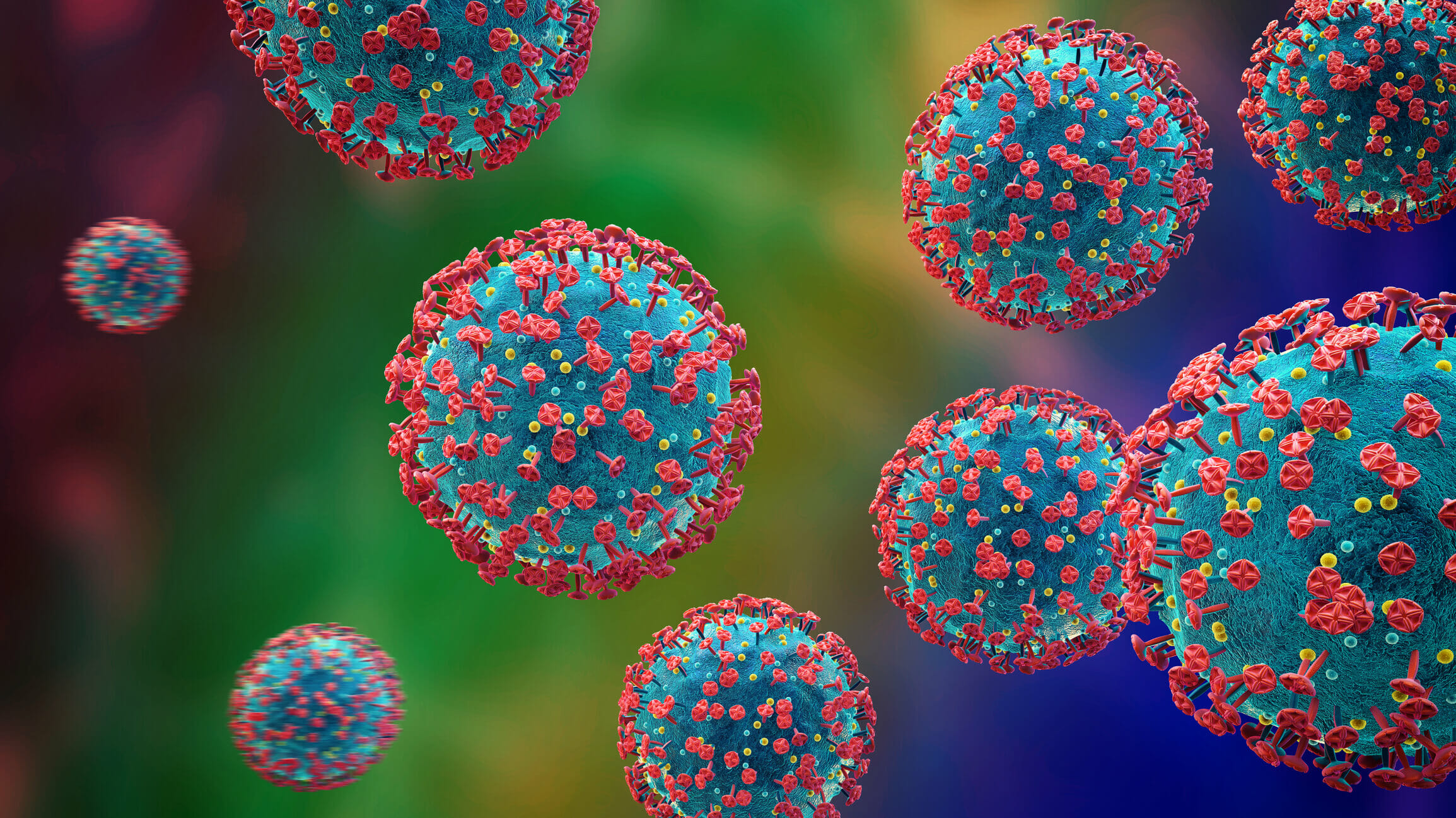
A rare and deadly virus outbreak is raising alarm across the US and around the world. Health officials in at least five American states are now monitoring passengers connected to a deadly virus outbreak aboard a cruise ship in the Atlantic Ocean. The culprit is the Andes strain of hantavirus — one of the most dangerous respiratory viruses known to science. Here is everything Americans need to know right now.
What Is Happening: The MV Hondius Outbreak
In April 2026, an outbreak of hantavirus infection due to the Andes virus was identified on the Dutch cruise ship MV Hondius. Deloitte Insights
On May 2, 2026, a cluster of passengers with severe respiratory illness aboard the cruise ship was reported to the World Health Organization. The ship was carrying 147 passengers and crew. Stanford Institute for Economic Policy Research
As of May 8, 2026, WHO has reported eight cases — six confirmed and two suspected — including three deaths. U.S. Department of the Treasury
The outbreak spread fast and silently. Illness onset occurred between April 6 and April 28, characterized by fever, gastrointestinal symptoms, rapid progression to pneumonia, acute respiratory distress syndrome, and shock. Stanford Institute for Economic Policy Research
How the Voyage Unfolded
The ship departed Ushuaia, Argentina, on April 1, 2026, with plans to visit Antarctica and several isolated islands in the South Atlantic. Deloitte Insights
On April 11, a passenger died on board from the virus. His body was removed from the vessel on April 24 in Saint Helena, where his wife also disembarked. Two days later, she died in a hospital in Johannesburg. Deloitte Insights
Meanwhile, the ship left for Tenerife on May 6, after the Spanish Ministry of Health approved its arrival, where passengers would be evacuated to their respective countries. Deloitte Insights
American Passengers Now Under Watch
The deadly virus outbreak has reached US soil. Five US states — Arizona, California, Georgia, Texas, and Virginia — confirmed they are monitoring residents who left the cruise early and have since returned home. CDC
Two New Jersey residents who were potentially exposed to an infected passenger during air travel are also being monitored, but neither are symptomatic. CDC
Furthermore, the CDC sent a team to meet the cruise ship in the Canary Islands, Spain, and is working to repatriate American passengers to a facility in Nebraska with specialized medical capabilities. U.S. Department of the Treasury
The Department of State is leading a coordinated, whole-of-government response, including direct contact with passengers, diplomatic coordination, and engagement with domestic and international health authorities. CDC
What Is the Andes Virus? Why Experts Are Alarmed
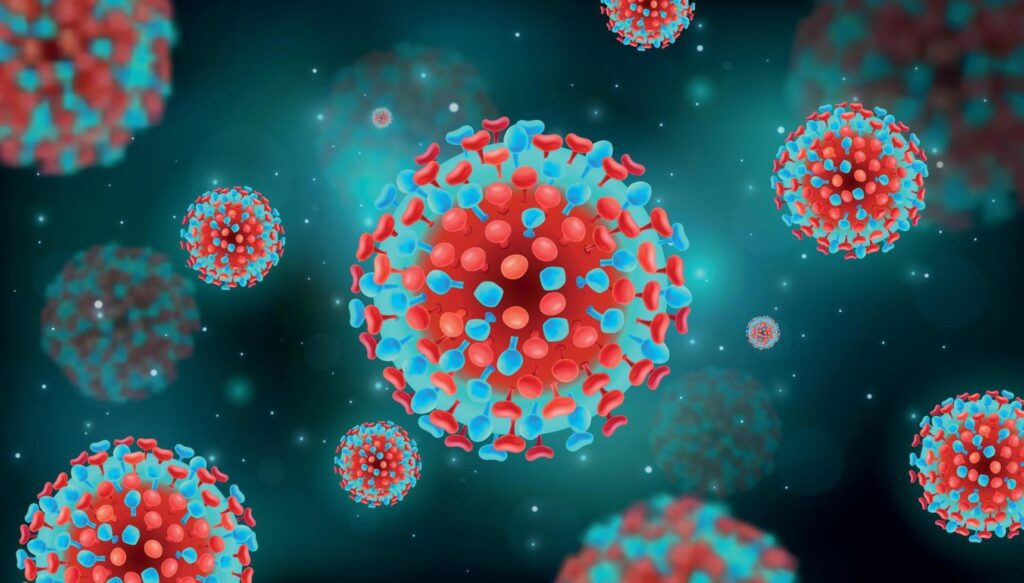
Hanta Virus
Most Americans have never heard of the Andes virus. However, infectious disease experts have watched it closely for decades.
The Andes virus is the only type of hantavirus known to spread from person to person. This spread is usually limited to people who have close contact with the ill person. U.S. Department of the Treasury
The Andes virus can cause hantavirus pulmonary syndrome (HPS), a severe and potentially deadly disease that affects the lungs. Congressional Budget Office
The fatality numbers are alarming. The fatality rate of HPS is 30% to 40%. Therefore, roughly one in three people who develop respiratory symptoms from this virus do not survive. CDC
Signs and symptoms of HPS due to Andes virus appear between 4 to 42 days after exposure. That long incubation window makes tracing and containing the virus especially difficult. U.S. Department of the Treasury
Symptoms to Watch For
Health officials say Americans should watch for these warning signs:
- Fever and chills
- Muscle aches, especially in the thighs, hips, back, and shoulders
- Fatigue and headaches
- Nausea, vomiting, or diarrhea
- Shortness of breath and rapid progression to pneumonia
- Acute respiratory distress in severe cases
There is no specific treatment or cure for HPS, other than supportive care. Early hospital admission and oxygen support are critical for survival. CDC
How This Outbreak Is Different From COVID-19
Americans are understandably nervous. However, health experts are urging calm and clarity.
WHO Director of Epidemic and Pandemic Management Maria Van Kerkhove said at a press conference: “I want to be unequivocal here. This is not the start of a COVID pandemic. It is not COVID. This is not influenza. It spreads very, very differently.” Nbsla
Dr. Abraar Karan, an infectious disease physician at Stanford University, explained why this outbreak is unlikely to explode globally. The Andes virus can spread in “very close, crowded settings,” but when people deteriorate, it tends to happen quickly — in a matter of days — leading to isolation or death. Therefore, the window of when a sick person can expose others is short. Nbsla
Additionally, hantaviruses have been known and studied for decades, first identified during the Korean War. Unlike COVID-19, scientists already understand how this virus behaves. Nbsla
The Deadly Virus Outbreak’s Global Reach
The MV Hondius hantavirus outbreak has triggered contact tracing operations across more than a dozen countries.
At least 12 countries are currently monitoring people who disembarked the MV Hondius before cases were confirmed, including Canada, Denmark, Germany, the Netherlands, New Zealand, Singapore, Sweden, Switzerland, Turkey, the United Kingdom, and the United States. CDC
As of May 8, 2026, passengers are hospitalized in South Africa, the Netherlands, Germany, Saint Helena, Spain, and Switzerland, while the ship is on its way to Tenerife with 147 individuals on board. Deloitte Insights
Furthermore, Swiss authorities are carrying out additional contact tracing for people who came into contact with a passenger who left the MV Hondius in late April and is being treated at a hospital in Zurich. Deloitte Insights
How Did This Outbreak Begin?
Investigators traced the virus back to one passenger. Argentine health authorities published a report detailing the movements of the index case — a Dutch citizen who had gone on a four-month road trip spanning Chile, Uruguay, and Argentina before boarding the ship on April 1, 2026. Deloitte Insights
Argentina’s health ministry confirmed the Andes variant responsible for the outbreak only circulates in the Chubut, Río Negro, and Neuquén regions and in southern Chile. Deloitte Insights
The virus likely jumped from a rodent to the index passenger during that extended South American trip. He then boarded a ship carrying nearly 150 people in close quarters, creating dangerous conditions for human-to-human spread.
What the CDC and U.S. Government Are Doing
The CDC is working closely with other U.S. government agencies and international partners to bring Americans on the ship home as quickly and as safely as possible. Congressional Budget Office
Arizona health officials confirmed the CDC notified them on May 5 about a state resident who had been aboard the ship. Local public health officials will monitor the individual for 42 days from departure. CDC
However, some public health experts raised concerns about the pace of the U.S. response. Dr. Carlos del Rio, a professor of global health and epidemiology at Emory University, said he would have expected press conferences and health alerts much sooner to inform the public and the medical community about what is happening and how best to respond. Nbsla
Moreover, the CDC has classified its hantavirus response as Level 3 — the agency’s lowest level of emergency — indicating they do not currently expect widespread domestic spread. Congressional Budget Office
What Americans Should Know Right Now
The CDC and U.S. government have confirmed that the risk to the American public is extremely low at this time. CDC
However, health officials want travelers and the public to remain informed. Here is what you should do:
- If you were on the MV Hondius cruise, contact your local health department immediately
- Monitor yourself for 42 days if you had any potential exposure to ship passengers
- Watch for early symptoms — fever, fatigue, muscle aches, and shortness of breath
- Seek emergency care immediately if respiratory symptoms appear
- Avoid contact with rodents and their droppings, especially when traveling in South America
- Do not share utensils or bedding with anyone showing flu-like symptoms after recent travel
Is a Pandemic Possible?
Most experts say a global hantavirus pandemic is unlikely. Nevertheless, they are not dismissing concerns entirely.
Earlier outbreaks of the Andes virus show it can spread in close settings — a “super-spreader” event in Argentina led to 34 infections from one introduction of the virus. Nbsla
However, that outbreak was still relatively contained. The key difference between the Andes virus and COVID-19 is that sustained, casual transmission in open public spaces does not appear to occur. Therefore, the chances of a community outbreak in U.S. cities remain very low.
“While this is a serious incident, WHO assesses the public health risk as low,” WHO Director-General Dr. Tedros Adhanom Ghebreyesus stated. International Monetary Fund
Conclusion
The deadly virus outbreak connected to the MV Hondius cruise ship is the most significant hantavirus event in recent memory. Three people are dead. Eight cases are confirmed or suspected. Twelve countries are tracing contacts. And Americans in at least six states are now under health monitoring.
However, this is not a repeat of COVID-19. The Andes virus spreads differently, kills quickly in the sick, and leaves a narrow window for further transmission. Authorities on multiple continents are responding in real time.
The most important message for Americans right now is simple: stay informed, monitor your health if you had any cruise ship exposure, and seek care immediately if respiratory symptoms appear. In an outbreak, fast action saves lives.
This is a developing story. US Daily Briefs will update this report as new information becomes available.
Published by US Daily Briefs | usdailybriefs.com | May 9, 2026
If you are experiencing symptoms of a respiratory illness after recent travel, call your doctor or dial 911 in a medical emergency. For public health questions, contact the CDC at 1-800-CDC-INFO (1-800-232-4636).